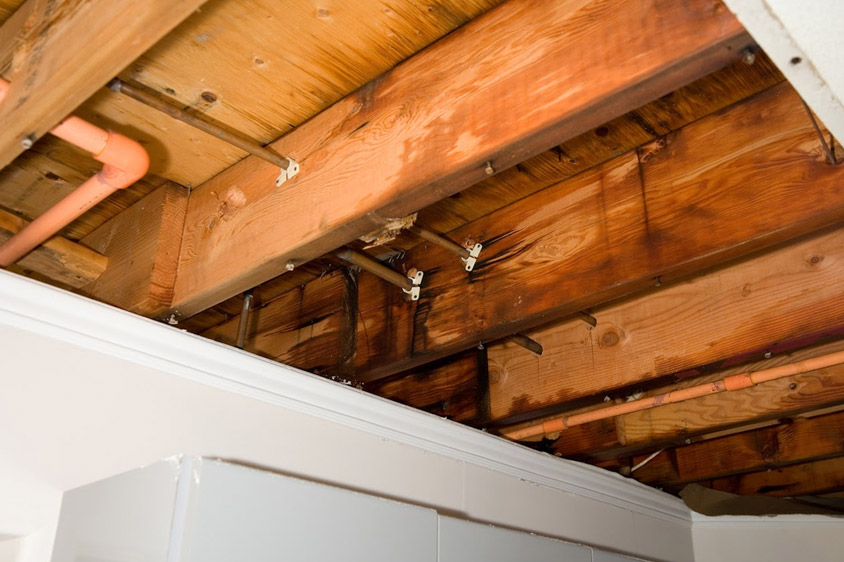
Cross-linked polyethylene (PEX) piping has rapidly gained popularity in residential plumbing over the last two decades, and for good reason. Its affordability, ease of installation, and resistance to corrosion make it appealing for many homebuilders and remodelers. But when it comes to multi-story homes, where water pressure, expansion, and long pipe runs become more critical, is PEX still a good choice? The short answer is yes, but there are some key factors to consider.
Benefits of PEX in Multi-Story Homes
Flexibility and Fewer Fittings
PEX is highly flexible compared to rigid alternatives like copper or CPVC. This flexibility allows it to snake through walls, ceilings, and floors without the need for many elbow fittings. Fewer fittings mean fewer potential leak points, a major advantage in multi-story homes where a leak in an upper floor can cause significant damage below. Installers can also use “home-run” systems, where each fixture is supplied by its own dedicated PEX line from a central manifold. This is especially efficient in larger or multi-level homes.
Freeze Resistance
PEX expands slightly when frozen and is far less likely to burst than copper or CPVC. In multi-story homes, especially in regions where upper floors may be more exposed to cold, this added protection can prevent major water damage during winter.
Quiet Operation
Water flowing through PEX tends to create less noise than water in copper pipes. In multi-story homes, this helps reduce pipe noise that might otherwise be heard between floors or in wall cavities. It also mitigates “water hammer,” a common plumbing issue where pipes bang or rattle when fixtures are turned off quickly.
Lightweight and Easy to Install
In multi-story construction, carrying materials up stairs or ladders adds labor and complexity. PEX is lightweight and can be installed in long rolls, making it easier and faster to route through multiple floors with less physical strain and fewer joints.
Considerations and Potential Drawbacks
Pressure Drop Over Long Runs
In tall homes, longer pipe runs can lead to a drop in water pressure, especially with smaller-diameter PEX lines. A well-designed plumbing layout with properly sized PEX tubing (often ¾” or 1″ for trunk lines) can minimize this. Pressure balancing valves may also be needed for consistent performance.
UV Sensitivity
PEX breaks down when exposed to direct sunlight. This isn’t usually a problem once the piping is installed within walls or between floors, but any exposed piping (like in an attic or near windows) must be properly shielded. During construction, materials should be stored out of the sun to prevent premature degradation.
Compatibility with High-Temperature Applications
While PEX is approved for hot water use and rated up to 200°F, it can become more flexible at high temperatures, which might lead to sagging or expansion in long vertical runs if not properly supported. In multi-story homes, this means pipe supports must be carefully spaced to prevent movement, especially on hot water lines.
Code Compliance and Insurance
While PEX is widely approved in most jurisdictions, some local building codes or insurance providers may have restrictions. Always check with the local building department and confirm that your chosen PEX product is certified for residential multi-story use.
PEX is an excellent choice for plumbing in multi-story homes when installed correctly. Its flexibility, resistance to bursting, and ease of installation make it ideal for navigating the vertical and horizontal challenges of multi-level construction. However, attention must be paid to pipe sizing, support spacing, and water pressure design to ensure optimal performance. With thoughtful planning and professional installation, PEX can offer long-lasting, efficient service in even the tallest of residential structures.