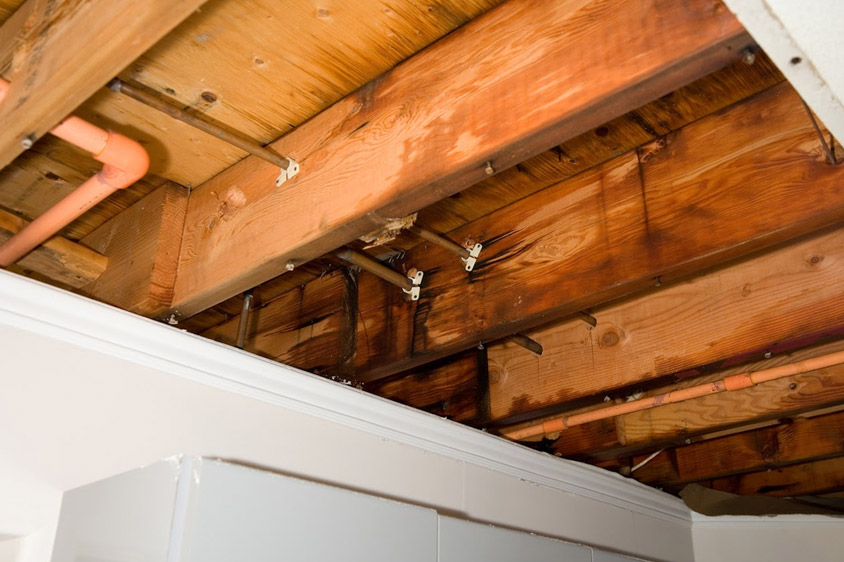
PEX (cross-linked polyethylene) piping has become a popular choice in modern plumbing due to its flexibility, affordability, and ease of installation. However, one notable downside of PEX, especially in homes where rodents are a concern, is its vulnerability to chewing. Rodents such as rats and mice are notorious for gnawing through plastic piping, potentially causing leaks, water damage, and costly repairs. Fortunately, there are several effective strategies homeowners and contractors can use to protect PEX from rodent damage.
Seal All Access Points
The first and most critical step in preventing rodent damage is stopping the rodents from entering your home in the first place. Mice can squeeze through holes as small as a dime, and rats can fit through openings the size of a quarter. Thoroughly inspect your home’s foundation, exterior walls, attic vents, and crawlspaces for any gaps or cracks. Use steel wool, caulk, or expanding foam to seal small openings, and reinforce larger gaps with wire mesh or sheet metal. Pay special attention to areas around utility penetrations, HVAC lines, and plumbing pipes.
Use Rodent-Resistant Sleeves and Conduits
Installing PEX inside protective sleeves can significantly reduce the risk of rodent damage. Rigid PVC conduit, flexible metal conduit, or even braided stainless steel sleeves can create a physical barrier that rodents cannot chew through. These sleeves are especially useful in attics, crawl spaces, basements, and exterior walls, areas where rodents are most likely to be active. For added protection, consider combining sleeving with rodent-repellent tape or sprays applied around pipe entry points.
Eliminate Food Sources and Nesting Materials
Rodents are attracted to environments that provide easy access to food, water, and shelter. Keep your home and surrounding yard clean and free of food scraps, pet food, birdseed, and compost piles. Inside the home, store pantry items in sealed containers and promptly clean up spills or crumbs. In basements or garages, avoid leaving cardboard boxes, fabric scraps, or insulation materials on the floor, these items can become nesting materials for rodents. Removing these attractants discourages rodents from lingering and nesting near plumbing lines.
Install Traps and Monitor for Activity
Even with preventative measures in place, it’s wise to monitor for rodent activity regularly. Place traps or motion-activated rodent detectors in crawl spaces, attics, and mechanical rooms. Look for droppings, gnawed materials, or tracks in dusty areas as early signs of infestation. The sooner you detect rodent presence, the faster you can take action to prevent damage. Snap traps, bait stations, and ultrasonic repellents can be used strategically as part of an integrated pest management (IPM) plan.
Use Rodent-Repellent Sprays and Coatings
Specialty rodent-repellent sprays are available that contain natural deterrents like peppermint oil, capsaicin (pepper extract), or predator urine. These can be applied directly to PEX piping in exposed areas to make them less appealing to rodents. Some plumbers also recommend mixing repellents into insulation foam around pipe entry points. While not a standalone solution, repellents are useful as a supplemental deterrent.
Consider Alternative Pipe Materials in High-Risk Areas
In areas with a known rodent problem, it may be worth considering alternate piping materials, such as copper or CPVC, for exposed runs. These materials are more resistant to gnawing and may be preferable in attics, garages, and crawlspaces. Alternatively, combining metal piping for exposed sections and PEX for protected interior runs can offer the best of both worlds: durability and cost-effectiveness.
Rodent damage to PEX piping can lead to serious consequences, from hidden leaks to structural damage. Fortunately, by taking a proactive approach, sealing entry points, protecting pipes with sleeves, eliminating attractants, and using repellents, you can greatly reduce the chances of rodents causing costly plumbing issues. Regular inspections and ongoing vigilance are key to keeping both your pipes and your home safe.